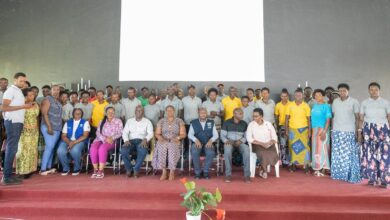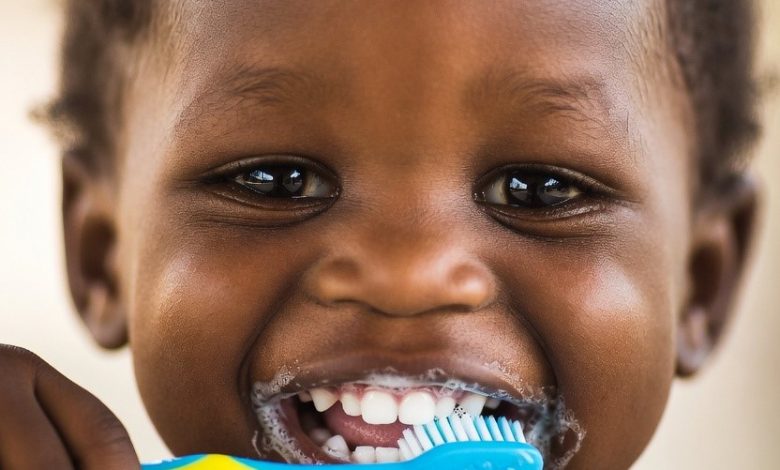
The Rwanda Biomedical Centre (RBC), together with its partners, joined parents, teachers, students, and the local community at Bumbogo School Complex in Gasabo District to mark World Oral Health Day. During the event, students were reminded that keeping the mouth clean is a lifelong habit that should start in early childhood.
Bagahirwa Irene, a specialist in Non-Communicable Diseases (NCDs) at RBC, responsible for oral health programs, explained why schools were chosen for this campaign.
“Schools are a key entry point because the goal is to make oral hygiene a daily habit among children. Rwanda is currently implementing nationwide hygiene campaigns, including the “Furesheri ku ishuri” initiative. This year’s oral health activities aligned with these efforts, especially as school feeding programs continue to expand.” Says Bagahirwa

She emphasized that combining oral hygiene education with school feeding programs helps promote overall child health.
“When children grow up with strong hygiene habits, both personal and oral, they are more likely to enjoy better health,” she said. “The mouth reflects the overall health of the body. Good oral hygiene can prevent many illnesses that cause children to miss school, such as toothaches and gum disease, helping them attend classes regularly and perform better.” Bagahirwa adds
NIYIBIZI Fabrice, President of the Rwanda Dental Association, said children are the most affected by dental diseases and explained the consequences.
“Many children as young as three years already suffer from severe tooth decay. In most cases, poor oral hygiene is the main cause. When baby teeth are lost too early, permanent teeth may grow in improperly because space in the mouth has already closed, leading to misalignment, chewing difficulties, and other health problems related to poor nutrition.” Says Niyibizi
He also highlights the importance of proper brushing habits.
“People should brush their teeth at least twice a day, especially before going to bed,” he said. “Food left in the mouth for long periods becomes a breeding ground for bacteria, which produce acids that damage the teeth and cause decay.”
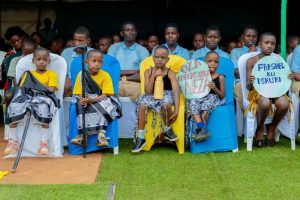
IRERE Claudette, Minister of State in the Ministry of Education, highlighted the importance of strengthening hygiene practices in schools.
“Rwanda is actively promoting hygiene through national campaigns such as “Furesheri ku ishuri” and “Isuku hose,” hygiene should be treated as a national value.” Added IRERE
She also pointed out the role of students in spreading awareness.
“Out of Rwanda’s population of about 13 million people, nearly five million are students,” she said. “When students understand these messages, they can easily pass them on to their families and communities. Hygiene is a habit that must be taught from an early age.”
She added that linking school feeding programs with oral hygiene education is important: “Providing meals alone is not enough if children are not taught how to clean their teeth afterward,” she said.
According to RBC, studies show that promoting good oral hygiene among children has significantly reduced tooth decay rates, from 45% to 16%. Severe tooth pain linked to poor oral health has also dropped from 44% to 7%.
This year’s World Oral Health Day was celebrated under the theme: “Take Care of Your Oral Health, Live Better.”
Mamedeine.rw